
How Agricultural Waste Becomes Renewable Energy
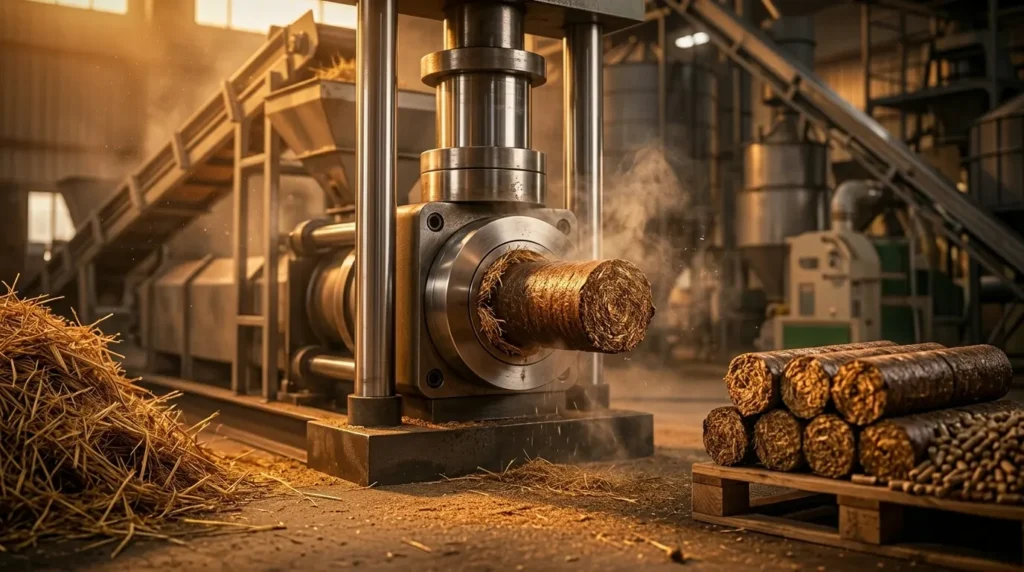
How Agricultural Waste Becomes Renewable Energy Sherra Energies June 17, 2026 A Step-By-Step Look At The Journey From Crop Residue To Industrial Fuel Every harvest season, millions of tonnes of agricultural residue are left behind in fields across India. Paddy straw, mustard residue, groundnut shells, and sawdust are often treated as waste with little value. For years, much of this material was either burned, dumped, or left to decompose. While these methods may seem convenient, they create serious challenges. Stubble burning contributes to air pollution, valuable resources go unused, and farmers miss out on additional income opportunities. Today, things are changing. What was once considered waste is now becoming one of India’s most promising renewable energy sources. Biomass fuel is helping industries reduce their dependence on fossil fuels while creating value from agricultural residue. But how exactly does crop waste become industrial fuel? Let’s look at the journey step by step. Step 1: Agricultural Residue Is Collected The process begins in farms, agricultural markets, and wood-processing units. Materials commonly used for biomass fuel include: Paddy residue Mustard residue Groundnut shells Sawdust Other agricultural by-products These materials contain stored energy from the sun. During their growth cycle, plants absorb sunlight and store that energy within their structure. Biomass fuel simply unlocks and utilizes that stored energy. Instead of allowing these materials to go to waste, they are collected and transported for processing. This is where the renewable energy journey begins. Step 2: Sorting And Quality Inspection Not all agricultural waste is suitable for fuel production. Before processing starts, the collected material is carefully inspected and sorted. Unwanted materials such as: Stones Plastic Metal pieces Excess dirt Foreign particles are removed to ensure fuel quality. Quality control at this stage is extremely important because cleaner raw materials produce better briquettes and pellets with more consistent performance. The goal is simple: Create a fuel product that industries can rely on every day. Step 3: Drying The Biomass Fresh agricultural residue often contains moisture. Too much moisture can reduce fuel efficiency and affect combustion performance. To solve this, the biomass is dried until it reaches an ideal moisture level. Proper drying helps: Improve combustion efficiency Increase heat output Reduce smoke generation Improve storage life Enhance product quality This stage plays a major role in producing a high-performance biomass fuel. Step 4: Size Reduction And Processing After drying, the biomass is processed into smaller particles. Large pieces of agricultural residue are broken down into a uniform size. This helps create consistency throughout the manufacturing process. Uniform particle size ensures: Better compression Higher fuel density Consistent burning Improved product quality The processed biomass is now ready to be transformed into fuel. Step 5: Compression Into Briquettes Or Pellets This is where the real transformation happens. Using specialized machinery, the prepared biomass is compressed under high pressure. No harmful chemicals are required. The natural properties of the biomass help bind the material together during compression. Depending on the process, the final product becomes either: Biomass Briquettes These are larger, dense blocks of compressed biomass. They are widely used in: Industrial boilers Furnaces Steam generation systems Biomass Pellets These are smaller cylindrical fuel units. They are commonly used in: Industrial heating systems Biomass burners Energy generation applications Both products are designed to provide efficient and reliable energy. Step 6: Cooling And Stabilization Freshly manufactured briquettes and pellets are warm due to the pressure generated during production. Before packaging and transportation, they are cooled and stabilized. This step helps: Improve durability Reduce breakage Enhance storage performance Maintain product quality Proper cooling ensures the fuel remains strong and usable throughout the supply chain. Step 7: Storage And Distribution Once ready, biomass briquettes and pellets are stored and prepared for dispatch. They are then supplied to industries across India. These fuels are used by sectors such as: Power generation Cement manufacturing Food processing Dairy industries Beverage production Textile manufacturing Paper mills Pharmaceutical companies For many businesses, biomass fuel has become a practical alternative to coal, furnace oil, and LPG. Step 8: Energy Generation The final stage is where biomass fuel delivers its value. Briquettes and pellets are used in boilers, furnaces, and industrial heating systems. As they burn, they release energy that powers industrial operations. This energy is used for: Steam generation Process heating Manufacturing operations Thermal applications The result is dependable energy produced from materials that were once considered waste. Why This Process Matters The journey from agricultural residue to renewable energy creates benefits at every level. For Farmers Agricultural waste gains economic value instead of becoming a disposal problem. For Industries Businesses gain access to a cost-effective and renewable fuel source. For The Environment Less agricultural waste is burned in fields, helping reduce air pollution and improve resource utilization. For India Renewable energy sources help strengthen long-term energy security while reducing dependence on conventional fossil fuels. This is why biomass energy is becoming an important part of India’s transition toward cleaner and more sustainable industrial growth. Turning Waste Into Opportunity With Serra Energies At Serra Energies Private Limited, we believe agricultural residue should never be seen as waste. Through biomass briquette manufacturing, biomass pellet production, biomass fuel trading, agricultural waste procurement, and supply chain management, we help convert paddy residue, mustard residue, groundnut shells, and sawdust into valuable renewable energy products. Our mission is simple: connect farmers, industries, and sustainable energy through solutions that create value for everyone involved. Whether you are looking to procure biomass fuel, partner with a reliable supplier, or supply agricultural residue for processing, Serra Energies is committed to helping build a cleaner and more resource-efficient future. Ready to turn agricultural waste into energy? Connect with Serra Energies today and be part of India’s growing renewable energy journey. Biomass Category :
What Are Biomass Briquettes And How Do They Work?
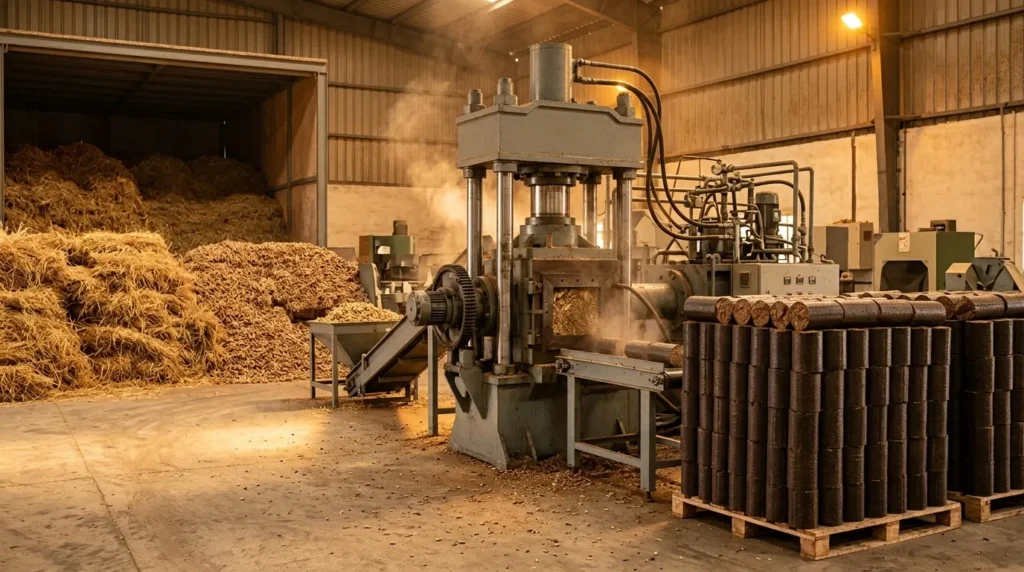
What Are Biomass Briquettes And How Do They Work? Sherra Energies June 15, 2026 What Are Biomass Briquettes And How Do They Work? As industries across India search for cleaner and more affordable fuel options, one energy source is steadily gaining attention: biomass briquettes. Made from agricultural residue and other organic materials, biomass briquettes are helping businesses reduce fuel costs, make better use of available resources, and decrease their dependence on traditional fossil fuels. From power plants and cement manufacturers to food processing units and paper mills, industries are increasingly turning to biomass briquettes as a practical fuel alternative. But what exactly are biomass briquettes, and why are so many industries choosing them? Let’s understand. What Are Biomass Briquettes? Biomass briquettes are solid fuel blocks made by compressing agricultural waste and biomass materials under high pressure. Instead of allowing crop residue to go unused or be discarded, these materials are collected, processed, and converted into dense fuel blocks that can be used for heating and energy generation. Common raw materials used to manufacture biomass briquettes include: Paddy residue Mustard residue Groundnut shells Sawdust Agricultural waste Other biomass materials The result is a compact fuel source that is easy to store, transport, and use in industrial heating systems. Why Were Biomass Briquettes Introduced? For decades, industries relied heavily on coal, furnace oil, diesel, and LPG to meet their energy needs. While these fuels continue to play an important role, they also come with several challenges: Rising fuel costs Dependence on finite resources Environmental concerns Supply fluctuations Higher emissions At the same time, large quantities of agricultural residue were being generated every year across India. This created an opportunity. Instead of viewing agricultural residue as waste, it could be transformed into a valuable energy source. Biomass briquettes emerged as a way to bridge the gap between agricultural by-products and industrial fuel requirements. How Are Biomass Briquettes Made? The manufacturing process is straightforward but carefully controlled to ensure consistent quality. Step 1: Collection Of Raw Materials The process begins with collecting biomass materials such as paddy residue, mustard residue, groundnut shells, and sawdust. These materials are sourced from farms, processing units, and other biomass suppliers. Step 2: Processing And Preparation The collected material is cleaned and prepared for manufacturing. Any unwanted impurities are removed, and the moisture level is adjusted to improve fuel quality and combustion performance. Step 3: Compression The prepared biomass is compressed under high pressure using specialized machinery. This process binds the material together into dense blocks without requiring harmful chemicals or additives. Step 4: Shaping And Cooling The compressed biomass is shaped into briquettes and allowed to stabilize before packaging and distribution. The finished product is uniform, easy to handle, and ready for industrial use. How Do Biomass Briquettes Work? The concept is simple. Biomass briquettes are burned in industrial boilers, furnaces, and heating systems to generate heat energy. When ignited, the briquettes release stored energy that can be used for: Steam generation Industrial heating Process heating Thermal energy applications Manufacturing operations Because briquettes are dense and uniform, they provide a consistent fuel source that supports efficient industrial operations. Where Are Biomass Briquettes Used? Today, biomass briquettes are used across a wide range of industries. Some common applications include: Power Generation Power plants use biomass fuel as part of their energy production processes. Cement Manufacturing Cement plants require large amounts of thermal energy, making biomass briquettes a practical fuel option. Food Processing Food manufacturing facilities use biomass fuel for heating and processing operations. Dairy And Beverage Industries Many dairy and beverage plants rely on steam and thermal energy systems that can utilize biomass fuel. Textile Manufacturing Textile units use boilers and heating systems where biomass briquettes can be effectively applied. Paper Mills Paper manufacturing requires continuous energy input, making biomass fuel an attractive alternative. Pharmaceutical Manufacturing Various heating applications within pharmaceutical facilities can benefit from reliable biomass fuel supply. Why Are Industries Switching To Biomass Briquettes? There is no single reason. Instead, several factors are driving this shift. Better Use Of Agricultural Resources Biomass briquettes create value from materials that might otherwise remain underutilized. Reliable Fuel Supply With proper sourcing and supply chain management, biomass fuel can provide dependable support for industrial operations. Easier Handling And Storage Compared to loose agricultural residue, briquettes are compact and easier to transport, store, and manage. Support For Sustainability Goals Many businesses today are actively looking for ways to improve resource efficiency and adopt more responsible operating practices. Biomass briquettes help support these efforts by utilizing renewable biomass resources. Growing Focus On Renewable Energy Across India, industries are exploring energy options that align with long-term sustainability objectives. Biomass fuel is increasingly becoming part of that conversation. The Growing Future Of Biomass Energy In India India generates enormous quantities of agricultural residue every year. What was once viewed simply as crop waste is now being recognized as a valuable resource with significant energy potential. As industries continue searching for dependable alternatives to conventional fuels, biomass briquettes are expected to play an increasingly important role in the country’s energy landscape. The combination of agricultural abundance, industrial demand, and growing awareness around renewable energy is creating new opportunities for businesses, suppliers, and farmers alike. Supporting India's Transition To Cleaner Energy At Serra Energies Private Limited, we believe agricultural residue deserves a second life. Through biomass fuel manufacturing, biomass fuel trading, agricultural waste procurement, and supply chain management, we help transform paddy residue, mustard residue, groundnut waste, and sawdust into high-quality biomass briquettes and pellets for industries across India. Whether you are looking for a reliable biomass fuel supplier, seeking renewable energy alternatives for your operations, or interested in supplying agricultural residue, our team is ready to help. Let’s Turn Agricultural Waste Into Opportunity Discover how biomass fuel can support your business while contributing to a more sustainable future. Contact Serra Energies today to discuss your biomass fuel requirements, partnership opportunities, or agricultural waste supply needs. Biomass Category :
Biomass Pellets Vs Coal: Which Is Better?
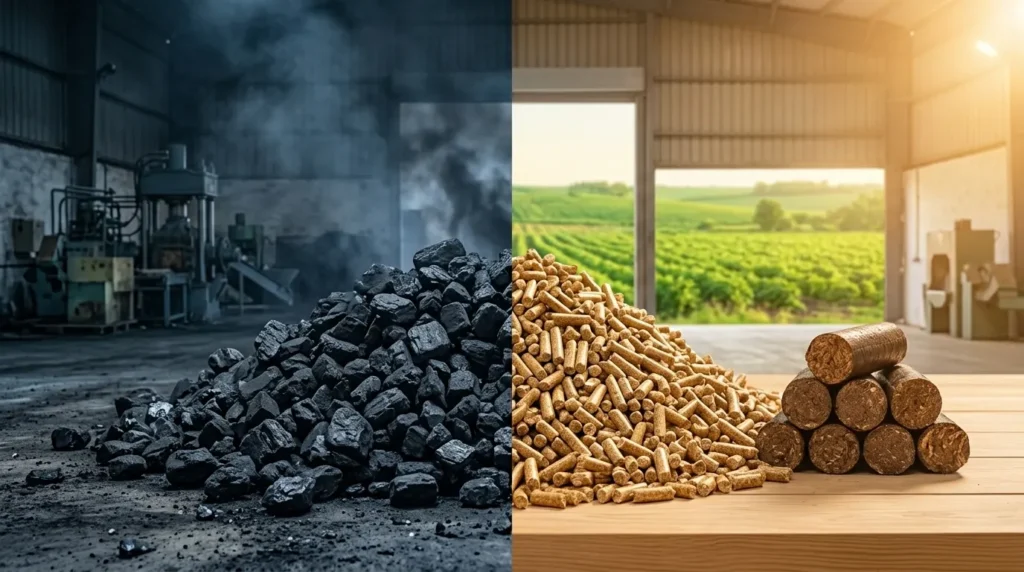
Biomass Pellets Vs Coal: Which Is Better? Sherra Energies June 2, 2026 Biomass Pellets Vs Coal: Which Is Better? For decades, coal has been one of the most widely used fuels in industrial operations. From power generation and cement manufacturing to food processing and paper production, coal has powered factories, plants, and industries across the country. But today, the conversation is changing. Industries are facing increasing pressure to reduce costs, improve efficiency, and move towards cleaner energy sources. At the same time, businesses are becoming more aware of the long-term impact of fuel choices on operations, supply chains, and sustainability goals. As a result, many companies are now asking an important question: Is coal still the best option, or is it time to switch to biomass pellets? The answer depends on what your business values most. Let’s compare both fuels in a practical way. Understanding The Difference Coal is a fossil fuel that has been formed underground over millions of years. It is mined, processed, transported, and then used for heat and energy generation. Biomass pellets, on the other hand, are manufactured using agricultural residue and biomass materials such as paddy residue, mustard residue, groundnut waste, and sawdust. These materials are compressed into small, dense pellets that can be used in industrial heating systems and boilers. Both fuels generate heat. But the way they are sourced, used, and valued is very different. The Cost Factor When industries evaluate fuel options, cost is usually the first thing they consider. At first glance, coal may appear familiar and predictable. However, coal prices are influenced by mining costs, transportation expenses, market fluctuations, regulations, and supply challenges. Biomass pellets offer a different approach. Since they are produced from locally available agricultural residue, businesses often benefit from a more stable and accessible fuel source. Depending on the application and location, biomass pellets can provide significant savings compared to traditional fossil fuels. But looking only at the fuel price can be misleading. Smart businesses evaluate the total value of a fuel—not just what it costs today, but what it may cost tomorrow. Efficiency Matters A fuel is only valuable if it performs consistently. Industrial operations require reliable heat generation, stable combustion, and predictable performance. Modern biomass pellets are manufactured to maintain consistent size, density, and moisture levels. This helps improve fuel handling, storage, and combustion efficiency. Because pellets are uniform, industries often find them easier to feed into boilers and heating systems compared to loose biomass materials. Coal remains a powerful fuel source, but it can vary significantly in quality depending on its grade and source. Variations in ash content and combustion characteristics can affect operational performance. The goal is not simply to burn fuel. The goal is to generate reliable energy with minimum disruption. The Environmental Question This is where the difference becomes impossible to ignore. Coal is a finite resource. Once extracted and consumed, it cannot be replaced within a human lifetime. Biomass pellets are produced from renewable materials that are generated every agricultural season. Every year, farms across India produce enormous quantities of agricultural residue. Instead of allowing these materials to go unused, they can be converted into a valuable source of energy. This creates a cycle of reuse rather than depletion. The result is a fuel system that makes better use of existing resources while supporting a more sustainable energy future. Storage And Handling Fuel management is often overlooked until it becomes a problem. Storage, transportation, handling, and logistics all affect operational efficiency. Biomass pellets are compact, dense, and easy to transport. Their uniform shape makes storage more organized and predictable. Coal can require significant storage space and handling infrastructure depending on the scale of operations. For industries seeking streamlined fuel management, pellets often offer practical advantages. Supply Chain Reliability A fuel source is only useful if it is available when you need it. Industrial downtime caused by fuel shortages can be costly. As demand for renewable energy continues to grow, biomass supply networks across India are becoming stronger and more organized. Manufacturers, traders, procurement specialists, and logistics providers are building systems designed to support long-term industrial demand. This growing ecosystem is making biomass pellets increasingly accessible across multiple industries and regions. Businesses are no longer asking whether biomass is available. They are asking whether they can afford to ignore it. Looking Beyond Today's Numbers Many fuel comparisons focus only on immediate costs. But successful businesses think beyond the next month or the next quarter. They ask bigger questions: Is this fuel reliable? Can it support future growth? Does it align with changing industry expectations? Will it remain practical in the years ahead? The energy choices made today can influence operating costs, sustainability goals, supply chain resilience, and business reputation for years to come. This is why more companies are evaluating biomass pellets not simply as an alternative fuel, but as a long-term business decision. So, Which Is Better? There is no single answer for every industry. Coal continues to play an important role in many sectors. However, biomass pellets are steadily proving that renewable energy can be practical, reliable, and commercially viable. For industries seeking a fuel source that combines performance, resource efficiency, and long-term value, biomass pellets have become an increasingly attractive option. The real question may no longer be whether biomass pellets can compete with coal. The real question is how quickly industries can benefit from making the transition. Helping Industries Move Towards Smarter Fuel Choices At Serra Energies Private Limited, we work with industries across India that are exploring reliable alternatives to conventional fuels. Through biomass fuel manufacturing, trading, agricultural waste procurement, and supply chain management, we convert paddy residue, mustard residue, groundnut waste, and sawdust into high-quality biomass pellets and briquettes designed for industrial use. Our focus is simple: provide dependable fuel solutions that help businesses operate efficiently while making better use of available resources. As the demand for renewable energy continues to grow, industries need partners who understand both fuel requirements and supply reliability. Let's